Pablo Gavi
Unchanged
There’s a version of Pablo Gavi’s story that would be easy to tell:
the academy prodigy, the European champion at 19, the number six short worn by some of Barcelona’s greatest names, the World Cup winner at 21.
It’s the kind of career that usually comes with a carefully built image to match. But sit down with Gavi and that story barely comes up.
What he wants to talk about instead is home, the town outside Seville he still calls his one, the friends who knew him before any of this started, and a version of himself that fame hasn’t managed to touch.
There are footballers whose lives seem to speed up all at once. One year they’re kids with a ball at their feet, the next they’re playing in front of millions every week, with barely any time in between to adjust. For Pablo Gavi, that shift happened almost over night. Still only 21, he’s already one of the defining faces of a new generation at Barcelona and one of the most recognisable young footballers on the planet.
Talk to him for any length of time, though, and none of that seems to register. There’s no rehearsed line about sacrifice, no attempt to sound like a global star. He talks about home, family and a life that, despite everything, still feels familiar. “Going back to Los Palacios always reminds me where everything started,” he says.
“My family, my friends, the streets where I grew up, nothing really changes there. When I’m home, I feel like the same kid who just wanted to play football all day.”
That home is Los Palacios y Villafranca, a town just outside Seville, where he first fell for the game. When he goes back, most of it is exactly as he left it: the same streets, the same friends, the same people who knew him long before the stadiums got bigger and the audiences went global.
Elite football doesn’t leave much room to stand still. Seasons run into each other, recovery replaces rest and the calendar is planned months ahead. Having somewhere that doesn’t ask anything of him beyond simply being himself becomes more valuable with every year that passes, and every trophy that follows.
That grounding goes back further than most people realise. Leaving home to join La Masia demanded a level of maturity most teenagers never have to find so early. Barcelona’s academy has produced generation after generation of exceptional players, but what it teaches extends well beyond football.
“It wasn’t easy, but it helped me grow and mature very quickly,” Gavi says. “At La Masia you learn responsibility, discipline and how to live with teammates who become like family. It teaches you to value the opportunity you have and to work for it every day.”
Those lessons shaped not only the player he would become, but the person behind him.

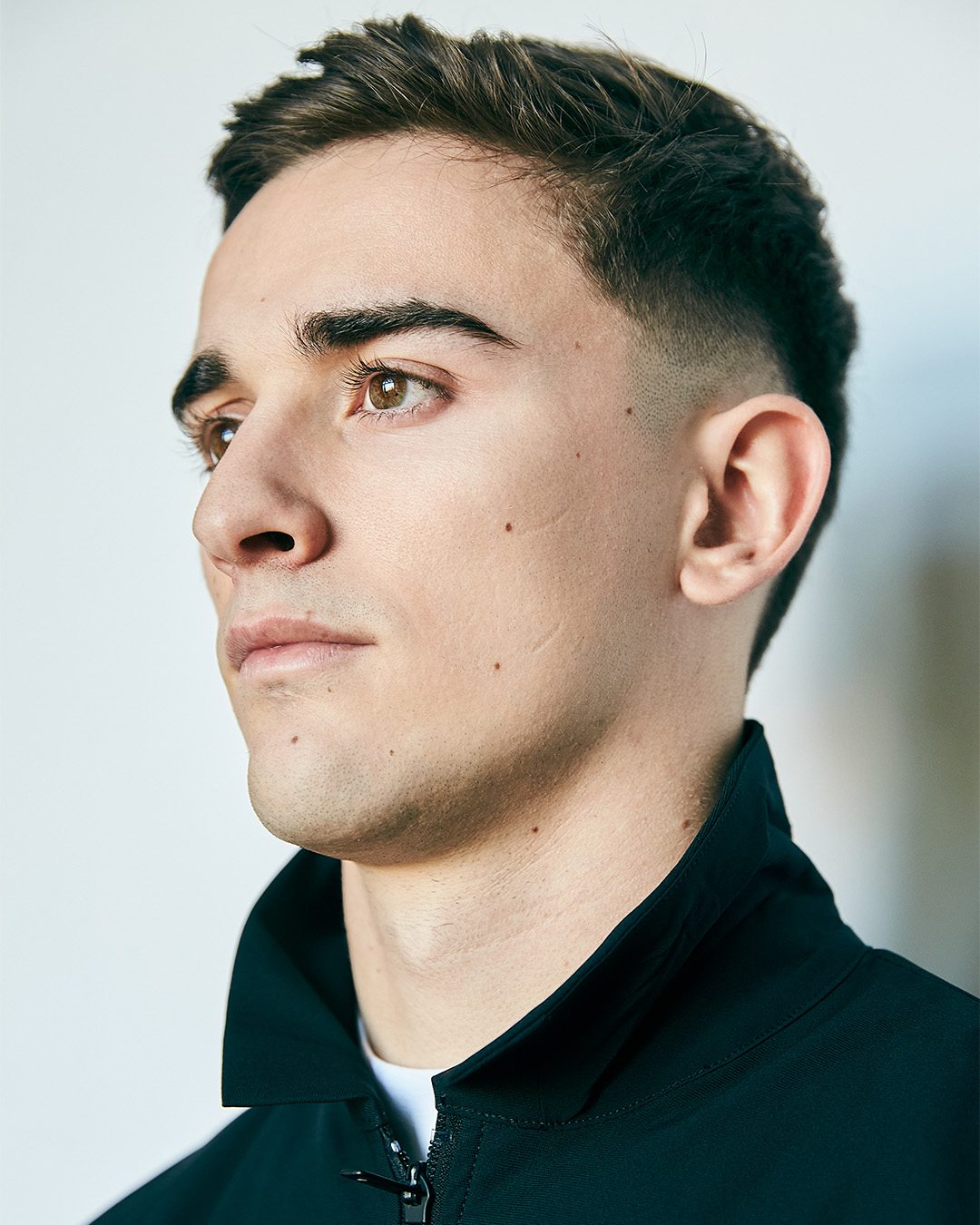
Away from football, his life is refreshingly simple. There are no elaborate hobbies or carefully curated interests. His favourite moments are usually the ordinary ones, spending time with friends and family, relaxing at home, watching films or heading out for dinner. If he has the choice, Japanese food usually wins. Training occupies much of the day, but once that’s over he makes a conscious effort to switch off.
“Barcelona lives football, that’s true, but you also learn to create your own space,” he says. “Being with people close to me helps a lot. When I’m with them, football is not always the main topic.”
Football dominates the city and rarely allows its players to disappear entirely from view. Creating space where the game becomes secondary, even for a few hours, is part of how Gavi has managed to stay balanced. That doesn’t mean abandoning discipline.
Professional sport already runs on routine, and recovery, nutrition and preparation shape almost every day. Off the pitch, he simply prefers life to feel a little less structured.
“In football, we already have a lot of routines, so off the pitch I like having a bit more freedom,” he explains.
“But I always take care of myself and focus on performing well. Injuries also teach you the disciplined side of football that you have to follow to take care of yourself and have a long career.”
That perspective became clearer during his recent spell on the sidelines. “It was a difficult period, but also an important one,” he says. “When football is taken away from you for a while, you realise how much you love it. It taught me patience and made me even more motivated to come back stronger.”
For Gavi, recovery became as much about perspective as rehabilitation. Returning wasn’t about proving people wrong. It was about appreciating something that had always been central to his life. “Yes, I think it makes you grow,” he says. “You understand the game and the team in a different way. It makes you appreciate every moment on the pitch even more.”
That growth was tested again this summer, in a tournament that carried its own strange shape for him. Named in Luis de la Fuente’s 26-man squad after clawing his way back from a serious knee injury that had cost him the best part of eighteen months, Gavi started Spain’s opening match of the World Cup against Cape Verde in Atlanta, the reward for a long and often lonely rehabilitation.
From there, La Roja barely put a foot wrong. Spain went unbeaten through the whole tournament, conceded just a single goal in seven matches, and beat Argentina 1-0 after extra time in New Jersey to win the country’s second star. For a player who spent a year and a half unsure whether he would get back to full fitness at all, standing on that pitch as a world champion, having travelled the length of the United States with a squad that dominated the tournament from start to finish, carried its own weight.
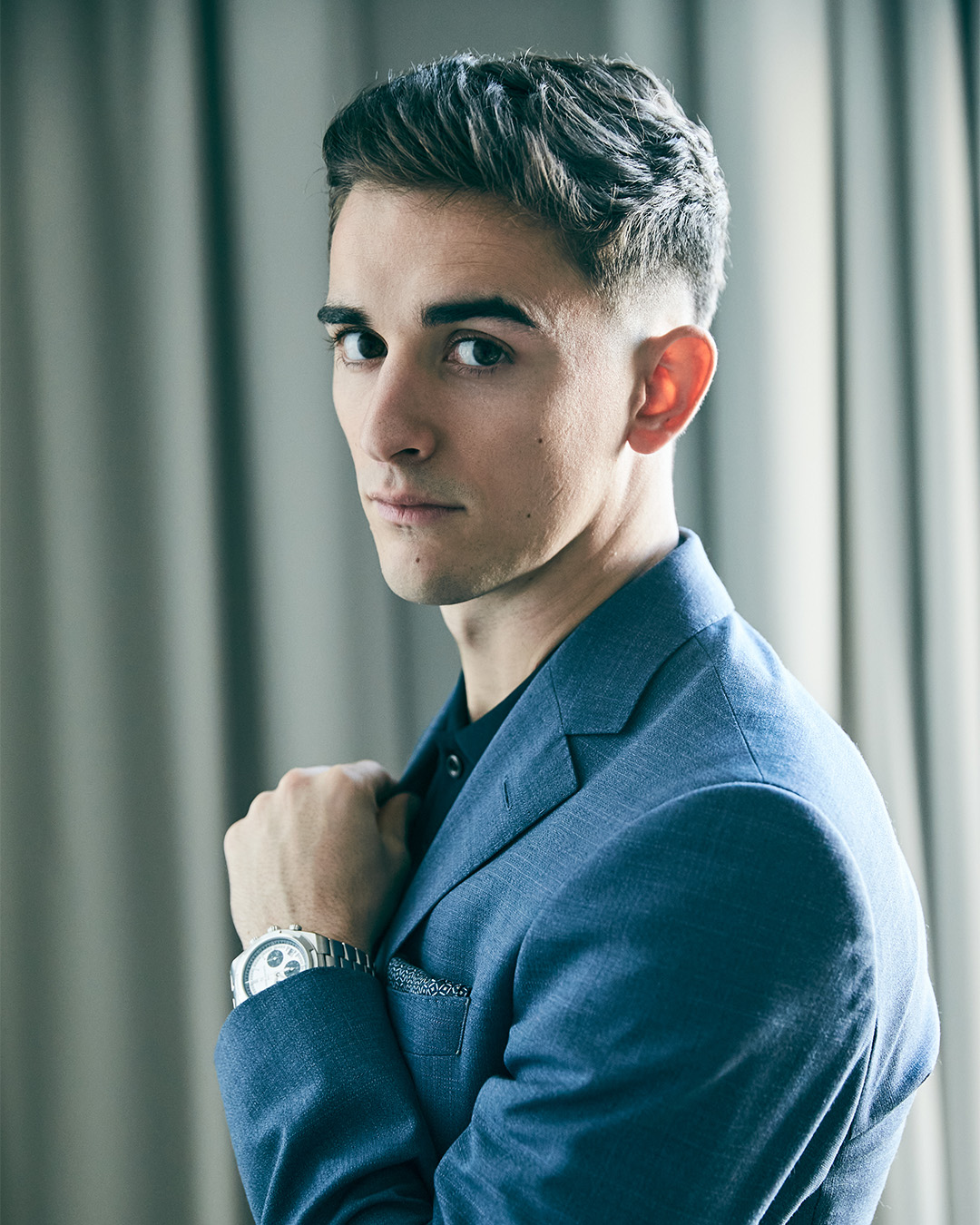
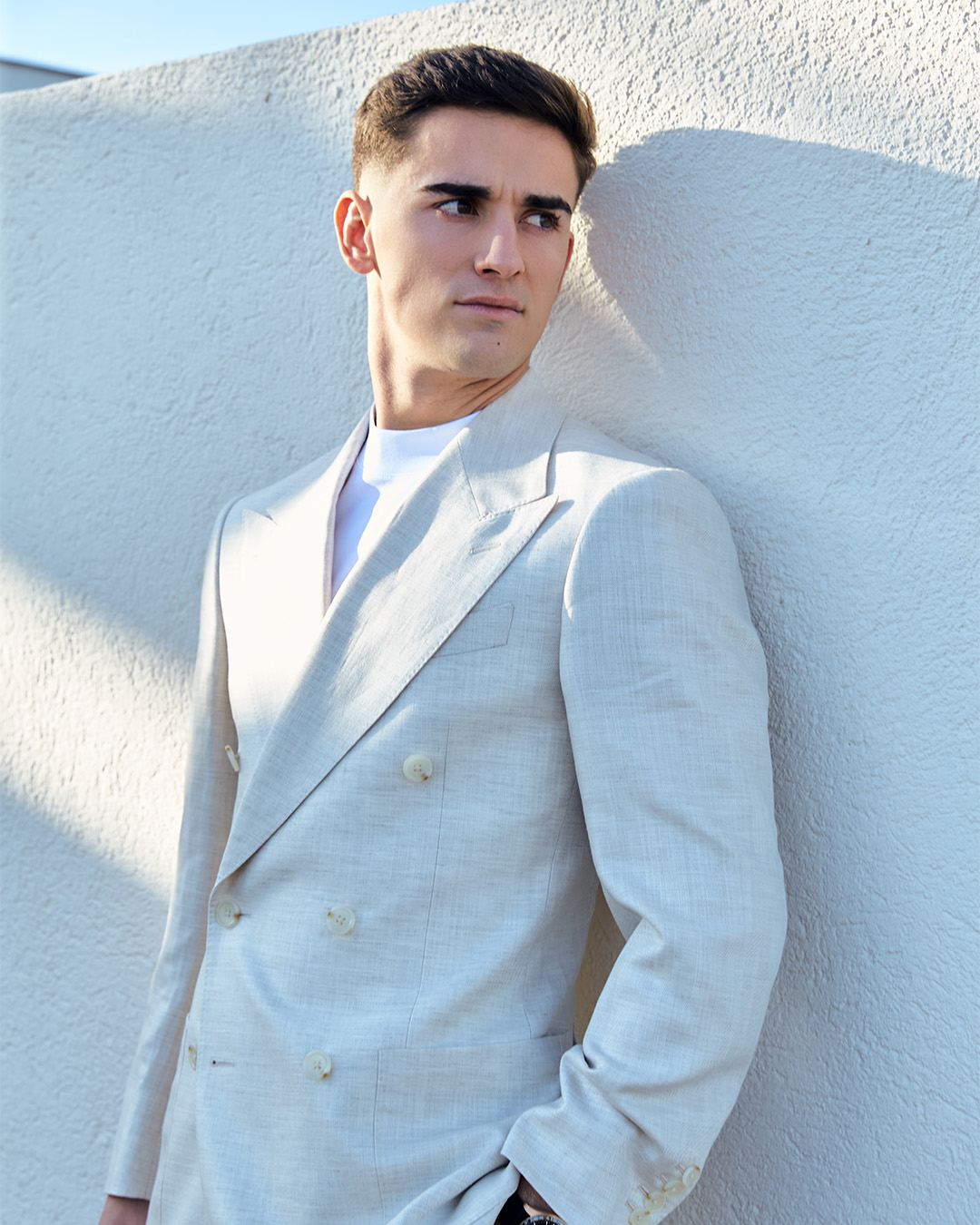
That same steadiness shapes the way he talks about Barcelona’s future. He belongs to a generation carrying genuine expectation, tasked with writing the club’s next chapter while respecting everything that came before it.
“We want to represent energy, ambition and respect for what this club represents,” he says. “When you play for Barcelona, you know the responsibility you have. We want to compete for everything and win as many trophies as we can.” That history becomes impossible to ignore every time he pulls on Barcelona’s famous number six shirt.
“It’s a number with a lot of history here and that means a lot to me,” he says.
“I try to honour it with work, personality and respect for the badge.”
Even his competitive streak comes out with a smile rather than a boast. “Yes… a little bit,” he laughs. “I like to win at everything, even small things with friends. But I think that mentality is also part of why I love football so much.”
Ask those closest to him how they would describe him, though, and the answer is almost the opposite. “They would probably say I’m calm and quite simple. On and off the pitch I’m very intense because I want to win, but away from football I’m more relaxed.”
Modern football often encourages players to become brands as much as athletes, every appearance scrutinised, every comment amplified. Gavi seems remarkably uninterested in any of it. He keeps returning to the people who’ve known him longest, the lessons that came from growing up early, and the importance of protecting a life that exists away from the spotlight.
His ambitions, when he does talk about them, are exactly what you would expect from someone who has just won the World Cup and still wants more.
“I want to win every possible title with Barça and with the national team. That’s every player’s dream,” he says. “This year we’re going for every possible title with Barça.”
In an era that often rewards noise, Gavi remains measured. He isn’t trying to build an identity beyond football or convince anyone of who he is. For all the medals, the expectations and the attention that now surround him, the things that matter most have remained remarkably constant. Home is still home. Family is still family. Success has changed his life. It has yet to change the person at its centre.